Voveran: Advanced Pain Relief and Anti-Inflammatory Action
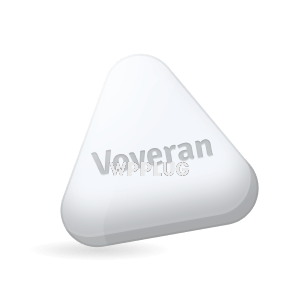
Voveran
| Product dosage: 50mg | |||
|---|---|---|---|
| Package (num) | Per pill | Price | Buy |
| 90 | $0.49 | $44.00 (0%) | 🛒 Add to cart |
| 120 | $0.47 | $58.67 $56.00 (5%) | 🛒 Add to cart |
| 180 | $0.44 | $88.00 $79.00 (10%) | 🛒 Add to cart |
| 270 | $0.42 | $132.00 $113.00 (14%) | 🛒 Add to cart |
| 360 | $0.42
Best per pill | $176.00 $150.00 (15%) | 🛒 Add to cart |
Synonyms | |||
Voveran (diclofenac) is a potent nonsteroidal anti-inflammatory drug (NSAID) widely prescribed for the management of acute and chronic pain, inflammation, and fever. As a trusted therapeutic option in clinical practice, it functions by inhibiting cyclooxygenase (COX) enzymes, thereby reducing prostaglandin synthesis—key mediators of pain and inflammatory responses. Its well-established efficacy profile, rapid onset of action, and versatile formulation options make it a cornerstone in treating musculoskeletal disorders, postoperative pain, and dysmenorrhea. Available in oral, topical, and injectable forms, Voveran offers tailored treatment strategies to meet diverse patient needs under professional supervision.
Features
- Active ingredient: Diclofenac sodium or potassium
- Available formulations: tablets, capsules, gel, injection, suppositories
- Mechanism: selective COX-2 inhibition with some COX-1 activity
- Half-life: approximately 2 hours
- Bioavailability: ~50-60% orally
- Prescription-only medication in most jurisdictions
Benefits
- Provides rapid and effective relief from moderate to severe pain
- Reduces inflammation and swelling in conditions like osteoarthritis and rheumatoid arthritis
- Helps restore mobility and functional capacity in musculoskeletal disorders
- Alleviates acute migraine attacks and menstrual pain
- Offers flexible administration routes for personalized treatment
- Demonstrated efficacy in postoperative pain management
Common use
Voveran is commonly prescribed for osteoarthritis, rheumatoid arthritis, ankylosing spondylitis, acute musculoskeletal pain, postoperative inflammation, acute gout attacks, and primary dysmenorrhea. It is also used off-label for certain migraine presentations and renal colic pain. The choice of formulation depends on the condition’s acuity, localization, and patient-specific factors.
Dosage and direction
Dosage must be individualized based on indication and formulation. For oral tablets (diclofenac sodium), adults typically take 50mg two to three times daily or 75mg twice daily for most inflammatory conditions. The maximum daily dose should not exceed 150mg. Extended-release formulations allow once-daily dosing. Topical gel should be applied 4 times daily to affected areas. Injectable formulations are administered by healthcare professionals. Always take with food or milk to minimize gastrointestinal upset.
Precautions
Use the lowest effective dose for the shortest duration possible. Monitor renal function periodically during long-term therapy. Use with caution in patients with hypertension, heart failure, or edema. Avoid in patients with peptic ulcer disease or GI bleeding history. May mask signs of infection. Regular ophthalmologic examinations recommended with prolonged use due to potential corneal deposits.
Contraindications
Hypersensitivity to diclofenac, aspirin, or other NSAIDs. Third trimester of pregnancy. History of asthma, urticaria, or allergic-type reactions after taking NSAIDs. Severe heart failure. Active gastrointestinal bleeding or perforation. Severe hepatic impairment. Recent coronary artery bypass graft (CABG) surgery.
Possible side effects
Common: nausea, dyspepsia, abdominal pain, diarrhea, headache, dizziness. Serious: gastrointestinal bleeding, perforation, or ulceration; cardiovascular thrombotic events; hypertension; heart failure; renal toxicity; hepatotoxicity; severe skin reactions; anaphylactic reactions. Topical: application site reactions including rash, itching, dryness.
Drug interaction
Significant interactions with anticoagulants (increased bleeding risk), ACE inhibitors/ARBs (reduced antihypertensive effect), diuretics (reduced efficacy, nephrotoxicity), lithium (increased levels), methotrexate (increased toxicity), cyclosporine (nephrotoxicity), other NSAIDs (additive toxicity), SSRIs (increased bleeding risk), and corticosteroids (increased GI toxicity).
Missed dose
If a dose is missed, take it as soon as remembered unless it is almost time for the next dose. Do not double the dose to make up for a missed one. Maintain regular dosing schedule to ensure consistent therapeutic levels.
Overdose
Symptoms may include nausea, vomiting, epigastric pain, gastrointestinal bleeding, drowsiness, dizziness, tinnitus, convulsions, or coma. Management is supportive with gastric lavage if presented early and activated charcoal. Hemodialysis is not effective due to high protein binding. Symptomatic treatment for complications; no specific antidote exists.
Storage
Store at room temperature (15-30°C) in original container, protected from light and moisture. Keep all medications out of reach of children. Do not use after expiration date. Topical formulations should not be stored above 30°C. Do not freeze.
Disclaimer
This information is for educational purposes only and does not constitute medical advice. Always consult a qualified healthcare professional before starting, changing, or stopping any medication. Individual response to therapy may vary. Proper diagnosis and supervision are essential for safe and effective use.
Reviews
Clinical studies demonstrate Voveran’s superiority over placebo and comparable efficacy to other NSAIDs in pain reduction and inflammatory markers. Systematic reviews confirm its effectiveness in acute pain management with number needed to treat (NNT) of 2-3 for various painful conditions. Long-term studies show maintained efficacy in chronic inflammatory conditions with appropriate monitoring. Patient satisfaction surveys indicate good tolerability when used as directed under medical supervision.