Tizacare: Advanced Topical Analgesic for Targeted Pain Relief

Tizacare
| Product dosage: 2mg | |||
|---|---|---|---|
| Package (num) | Per pill | Price | Buy |
| 10 | $4.00 | $40.00 (0%) | 🛒 Add to cart |
| 20 | $2.50 | $80.00 $50.00 (38%) | 🛒 Add to cart |
| 30 | $2.00 | $120.00 $60.00 (50%) | 🛒 Add to cart |
| 60 | $1.33 | $240.00 $80.00 (67%) | 🛒 Add to cart |
| 90 | $1.22 | $360.00 $110.00 (69%) | 🛒 Add to cart |
| 120 | $1.17 | $480.00 $140.00 (71%) | 🛒 Add to cart |
| 180 | $0.89 | $720.00 $160.00 (78%) | 🛒 Add to cart |
| 270 | $0.81 | $1080.00 $220.00 (80%) | 🛒 Add to cart |
| 360 | $0.79
Best per pill | $1440.00 $285.00 (80%) | 🛒 Add to cart |
Similar products

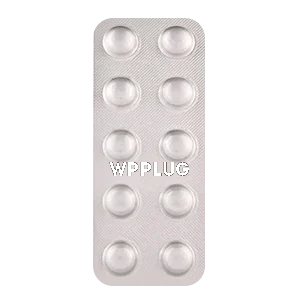
Tizacare represents a significant advancement in topical analgesic therapy, formulated for healthcare professionals seeking a reliable, fast-acting solution for musculoskeletal pain management. This prescription-strength medication combines a well-established active pharmaceutical ingredient with a sophisticated delivery system designed to maximize therapeutic effect while minimizing systemic exposure. Its targeted mechanism of action makes it an indispensable tool in both acute injury protocols and chronic pain management strategies, offering patients substantial relief without the gastrointestinal risks associated with oral NSAIDs. This comprehensive profile details the scientific rationale, clinical application, and safety parameters of Tizacare.
Features
- Active Ingredient: Diclofenac sodium 1% w/w
- Pharmaceutical Form: Medicated plaster (30 mg diclofenac per plaster)
- Delivery System: Hydrogel-based matrix for controlled transdermal release
- Dimensions: 10 cm x 14 cm (140 cm² active surface area)
- Excipients: Hydroxypropyl cellulose, dihydroxyaluminum aminoacetate, sodium polyacrylate, purified water
- Packaging: Individual sealed sachets, boxes of 5 or 30 plasters
- Shelf Life: 36 months from manufacturing date
- Storage Requirements: Room temperature (15-30°C), protect from moisture
Benefits
- Localized Pain Relief: Delivers high drug concentration directly to affected tissues while maintaining low plasma levels (<5% of oral formulation)
- Reduced Systemic Side Effects: Bypasses first-pass metabolism and minimizes gastrointestinal, hepatic, and renal adverse events associated with oral NSAIDs
- Sustained Therapeutic Effect: Provides continuous drug delivery over 12-hour application period with stable tissue concentration
- Improved Patient Compliance: Convenient once-daily application with excellent skin adhesion and minimal residue upon removal
- Mechanically Protective: Semi-occlusive plaster provides mild compression and protects sensitive areas from external irritation
- Non-Greasy Application: Water-based hydrogel avoids staining of clothing and doesn’t interfere with physical therapy or imaging procedures
Common use
Tizacare is indicated for the topical treatment of pain in acute and chronic musculoskeletal conditions. Its primary applications include osteoarthritis of superficial joints (particularly knee and hand involvement), acute sports injuries such as sprains and strains, tendinitis (especially lateral epicondylitis and Achilles tendinitis), and periarticular disorders including bursitis and capsulitis. The plaster formulation is particularly suitable for well-defined painful areas where targeted delivery is advantageous. Clinical studies demonstrate significant improvement in pain scores and functional outcomes compared to placebo, with efficacy comparable to oral NSAIDs but with superior local effect and safety profile.
Dosage and direction
Apply one Tizacare plaster to the affected area once daily. The plaster should be applied to intact, clean, dry skin without cuts, abrasions, or dermatological conditions. For optimal adhesion, ensure the application site is free from oils, lotions, or other topical products. The plaster should remain in place for 12 hours, after which it should be removed and the skin allowed to rest for 12 hours before applying a new plaster. Do not cut the plaster to size as this may compromise the drug delivery system. Wash hands thoroughly after application and avoid contact with eyes or mucous membranes. Treatment duration should be determined based on therapeutic response, typically ranging from 7-14 days for acute conditions to longer periods for chronic management under medical supervision.
Precautions
Use with caution in patients with history of asthma, especially if associated with nasal polyps or aspirin-sensitive asthma, as cross-reactivity may occur. Avoid application to areas with compromised skin barrier including eczema, psoriasis, or infected dermatoses. Monitor renal function in elderly patients or those with pre-existing renal impairment, particularly with concomitant use of other nephrotoxic agents. Patients with hepatic impairment should be monitored regularly. Do not apply with occlusive dressings or heating pads as this may increase systemic absorption. Discontinue if skin reactions develop and do not reapply until resolved. Sun exposure should be minimized on treated areas due to potential photosensitivity.
Contraindications
Hypersensitivity to diclofenac, acetylsalicylic acid, other NSAIDs, or any component of the formulation. Third trimester of pregnancy. Application to broken skin, mucous membranes, or infected areas. History of asthma, urticaria, or allergic-type reactions precipitated by NSAIDs. Severe hepatic impairment (Child-Pugh Class C). Severe renal impairment (eGFR <30 mL/min/1.73m²). Active peptic ulcer disease or gastrointestinal bleeding. Established congestive heart failure (NYHA Class II-IV), ischemic heart disease, peripheral arterial disease, or cerebrovascular disease.
Possible side effect
Most common adverse reactions (>1%) include application site reactions (erythema, pruritus, dermatitis, burning sensation). Less frequently reported (<1%) include systemic effects such as gastrointestinal discomfort, headache, and dizziness. Rare but serious adverse events (<0.1%) include severe cutaneous reactions (Stevens-Johnson syndrome, toxic epidermal necrolysis), bronchospasm, anaphylactoid reactions, and exacerbation of pre-existing asthma. Photosensitivity reactions may occur with sun exposure. Systemic absorption, though low, may rarely lead to renal impairment, hepatic enzyme elevation, or hematological changes with prolonged use.
Drug interaction
Although systemic exposure is minimal, potential interactions include increased risk of bleeding with anticoagulants (warfarin, novel oral anticoagulants), increased lithium and digoxin levels, reduced antihypertensive effect of ACE inhibitors and diuretics, and increased nephrotoxicity with cyclosporine and other nephrotoxic agents. Concurrent use with other topical NSAIDs or products containing methyl salicylate should be avoided. Caution with systemic NSAIDs due to additive effects. Corticosteroids may increase risk of gastrointestinal adverse events. No clinically significant interactions with topical antibiotics or antifungals have been reported.
Missed dose
If a dose is missed, apply the plaster as soon as remembered unless it is nearly time for the next application. Do not apply two plasters simultaneously to compensate for a missed dose. Maintain the regular 12-hour on/12-hour off schedule. The therapeutic effect is maintained with consistent daily application rather than immediate peak concentrations, making occasional missed doses less critical than with oral formulations. If multiple doses are missed, therapeutic efficacy may diminish and several days of regular application may be required to re-establish optimal tissue levels.
Overdose
Topical overdose is unlikely due to the fixed dosage form and limited systemic absorption. However, application of multiple plasters simultaneously or ingestion of plaster contents could lead to systemic NSAID toxicity. Symptoms may include headache, nausea, vomiting, epigastric pain, gastrointestinal bleeding, dizziness, tinnitus, or rarely, more severe manifestations such as acute renal failure, hepatitis, or respiratory depression. Treatment is supportive and symptomatic. Gastric lavage may be considered if ingested within previous hour. Activated charcoal may be administered. Hemodialysis is not effective due to high protein binding. Manage electrolyte imbalances and renal function appropriately.
Storage
Store at room temperature between 15-30°C in original packaging. Protect from moisture and direct sunlight. Do not freeze. Keep out of reach of children and pets. Once the sachet is opened, the plaster should be used immediately. Do not use if the sachet seal is broken or the plaster appears damaged or discolored. Proper disposal should follow local regulations for medicinal products, preferably through pharmacy take-back programs rather than household waste.
Disclaimer
This information is intended for healthcare professionals and should not replace professional medical advice, diagnosis, or treatment. Always follow the prescribing information provided with the medication. Patients should consult their healthcare provider regarding any questions about their medical condition or treatment. The efficacy and safety profile described is based on clinical trial data and post-marketing experience; individual responses may vary. Tizacare is a prescription medication and should only be used under appropriate medical supervision.
Reviews
Clinical studies demonstrate consistent positive outcomes with Tizacare. A randomized controlled trial involving 240 patients with knee osteoarthritis showed significant improvement in WOMAC pain scores compared to placebo (p<0.001) with only 2% reporting mild application site reactions. Another study in acute ankle sprains demonstrated faster return to function and reduced swelling versus oral diclofenac. Rheumatologists report high patient satisfaction due to convenience and localized effect without gastrointestinal complaints. Physical therapists note improved compliance with rehabilitation protocols when pain is adequately controlled. Long-term safety data from post-marketing surveillance confirms the favorable risk-benefit profile, with serious adverse events being exceptionally rare when used as directed.